Understanding the Vending Machine Regulations in Canada


Introduction to Vending Machine Regulations
Vending machines are a convenient and popular way to purchase snacks, beverages, and other items. However, operating a vending machine in Canada requires adherence to a specific set of regulations. These laws are designed to ensure consumer safety, product quality, and fair business practices. Whether you're a seasoned vending machine operator or a newcomer, understanding these regulations is crucial.
Licensing and Permits
Before operating a vending machine, you must obtain the necessary licenses and permits. This typically involves registering your business and ensuring compliance with local zoning laws. Different provinces may have varying requirements, so it’s essential to check with your local municipal office for specific guidelines. Additionally, some locations may require separate permits for selling specific items like tobacco or alcohol.
Health and Safety Standards
Health and safety are paramount when it comes to vending machines, especially those dispensing food and beverages. Operators must adhere to strict hygiene standards, which include regular cleaning and maintenance of machines. Food items must be stored at appropriate temperatures, and operators should ensure that products are not expired. Regular inspections by health authorities may be conducted to ensure compliance.

Labeling and Product Information
Transparency is essential in vending machine operations. Products must be clearly labeled with information about ingredients, allergens, and nutritional content. This not only complies with consumer protection laws but also helps customers make informed choices. Failure to provide this information can lead to fines and penalties.
Payment Systems and Accessibility
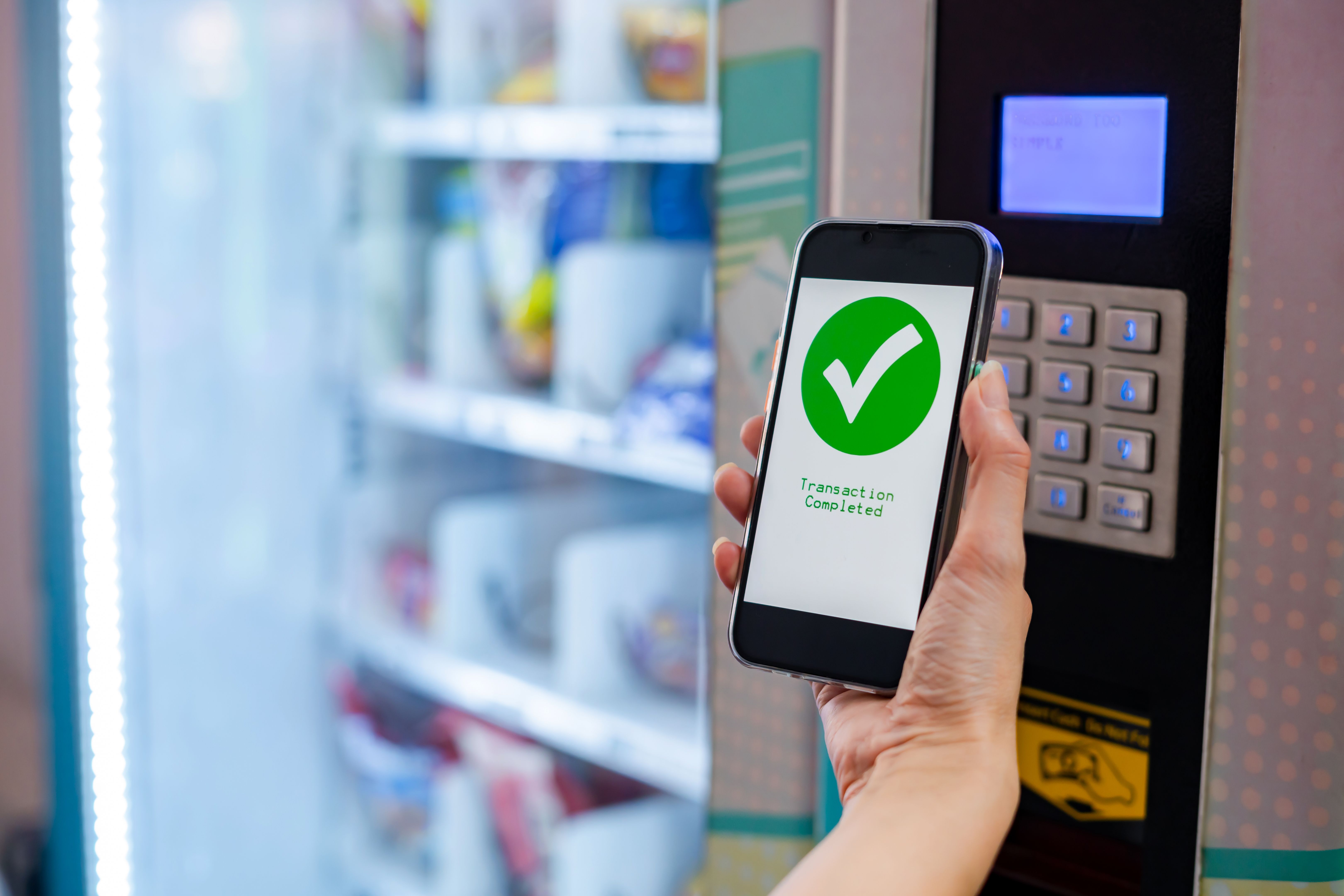
Modern vending machines are expected to support various payment methods, from cash to credit cards and mobile payments. It's crucial for operators to maintain secure and reliable payment systems. Additionally, accessibility is a growing concern, and machines should be designed to accommodate users with disabilities, ensuring equal access for all customers.

Environmental Considerations
Environmental responsibility is increasingly important in the business world, and vending machines are no exception. Operators are encouraged to consider energy-efficient machines and to participate in recycling programs. Proper disposal of expired products and packaging is also crucial to minimize environmental impact.
Compliance and Enforcement
Regulatory compliance is not just a legal obligation but also a commitment to ethical business practices. Failure to comply with vending machine regulations can result in fines, legal action, or even the closure of operations. Regular audits and staying informed about changes in legislation can help operators maintain compliance.

Conclusion
Navigating the landscape of vending machine regulations in Canada may seem daunting, but it is a necessary step for successful operation. By understanding and adhering to these regulations, operators can ensure that they provide safe, high-quality products while running a profitable business. Staying informed and proactive about compliance will help mitigate risks and enhance customer trust.