Understanding the Local Regulations for Vending Machines in Canada


Introduction to Vending Machine Regulations
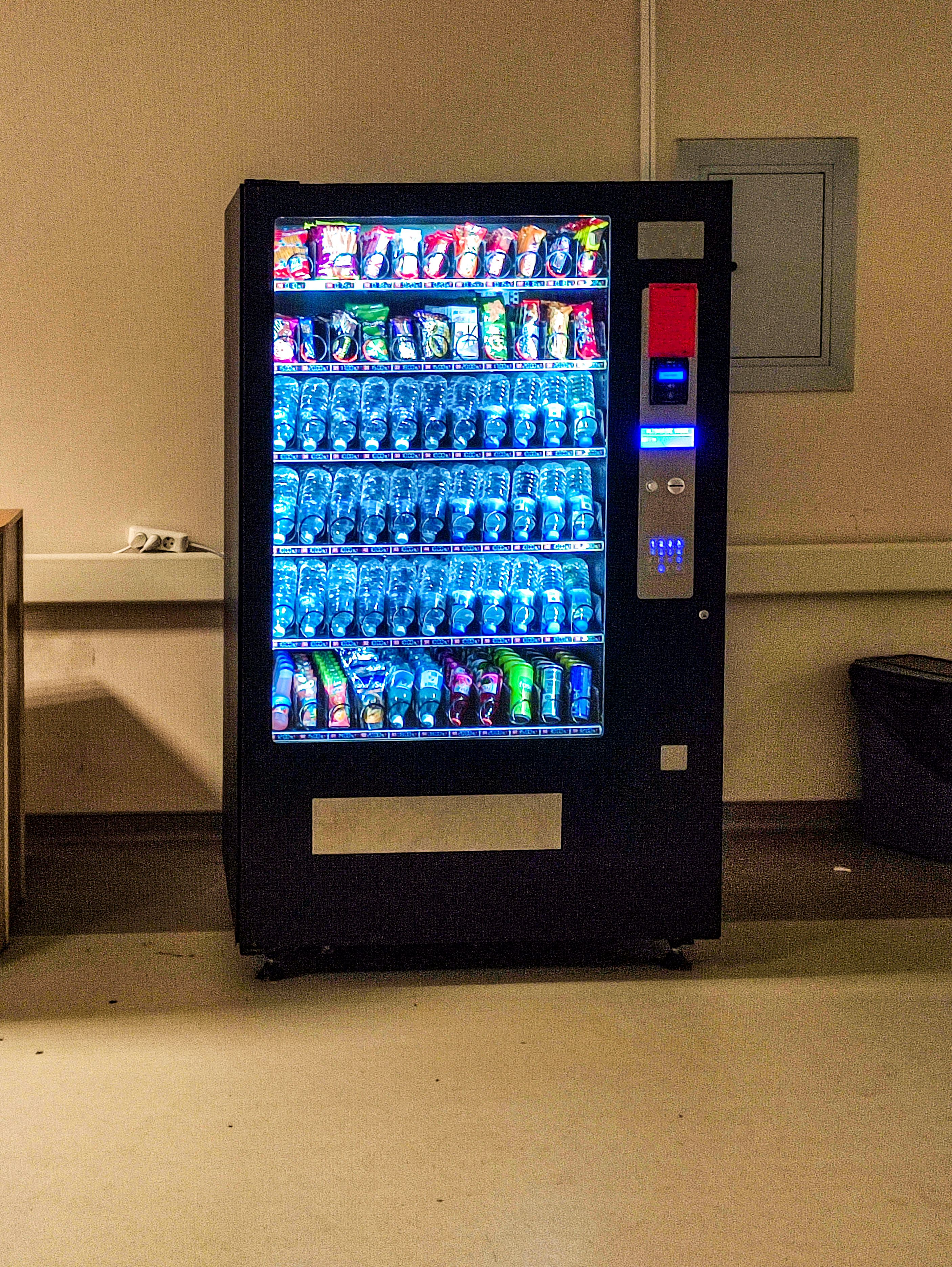
Vending machines are a convenient solution for quick snacks and drinks, but operating them in Canada requires compliance with various local regulations. Understanding these regulations is crucial for anyone looking to enter the vending business. This guide will help you navigate the complex regulatory landscape.
Licensing and Permits
To operate vending machines in Canada, you must first obtain the necessary licenses and permits. The requirements can vary significantly based on your location. Generally, you will need a business license and possibly specific vending machine permits from your municipal government. It’s advisable to contact your local city hall for detailed information.
Health and Safety Standards
Health and safety are paramount in the vending industry, especially when dealing with food and beverages. Canadian regulations require vending machines to comply with strict health standards to ensure consumer safety. This includes maintaining proper temperature controls and regular maintenance checks to prevent contamination.

Labeling and Nutritional Information
Another important aspect of vending machine regulations is the labeling requirements. Products must clearly display nutritional information, including calorie counts and ingredient lists. This transparency helps consumers make informed choices and aligns with Canada’s health-focused regulations.
Tax Considerations
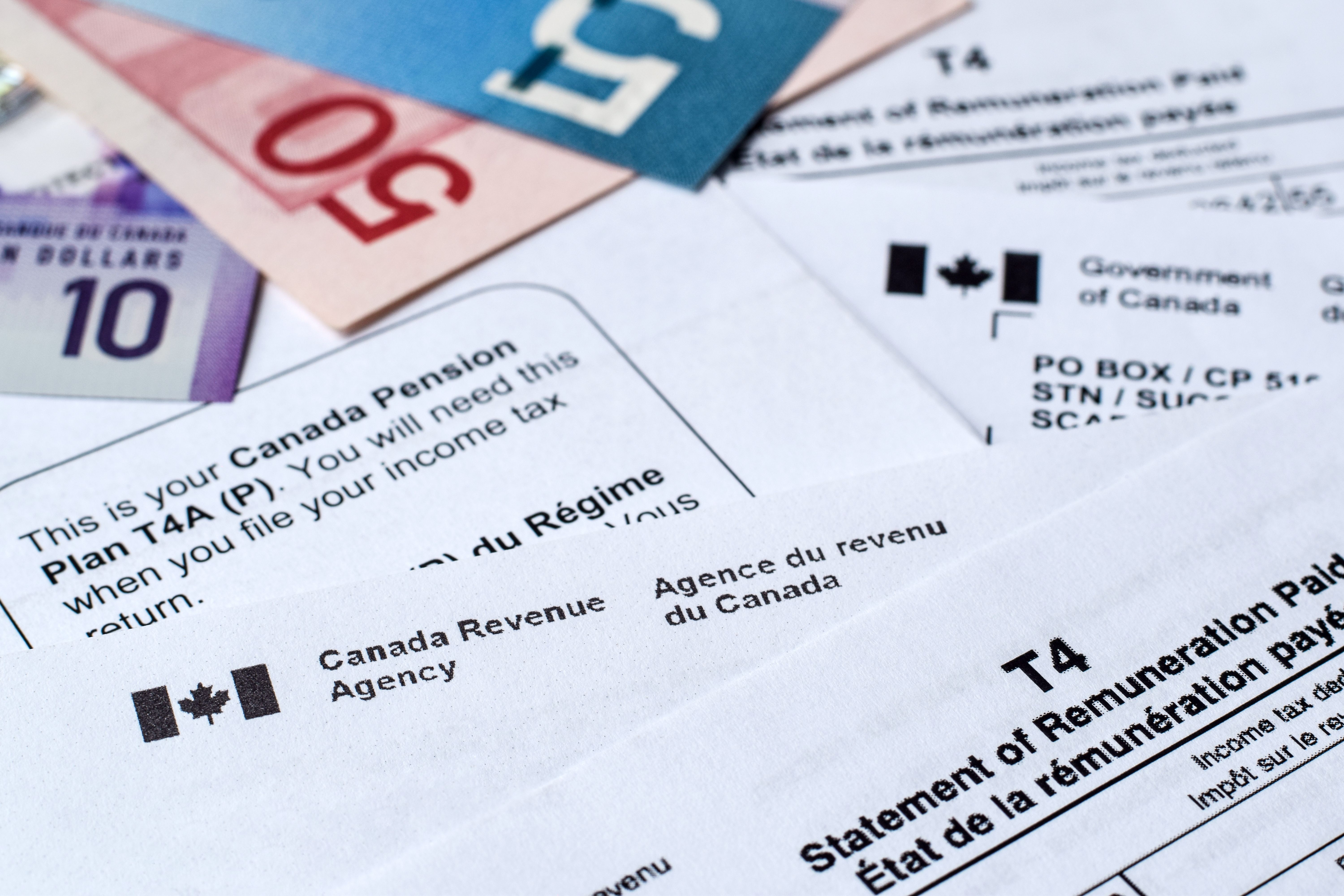
Operating a vending machine business also involves understanding the tax implications. You may need to register for a Goods and Services Tax (GST) or Harmonized Sales Tax (HST), depending on your annual revenue. Keeping accurate financial records is essential for tax reporting and compliance.
Location and Zoning Laws
Choosing the right location for your vending machines is not just about foot traffic; it also involves adhering to zoning laws. Some areas may have restrictions on where vending machines can be placed, particularly in residential zones. Always verify the zoning regulations in your target area before installation.
Accessibility Requirements
Canada has specific laws to ensure vending machines are accessible to everyone, including individuals with disabilities. This could involve installing machines at specific heights or ensuring they have features like braille labels. Compliance with the Accessibility for Ontarians with Disabilities Act (AODA) or similar provincial laws is essential.
Environmental Considerations
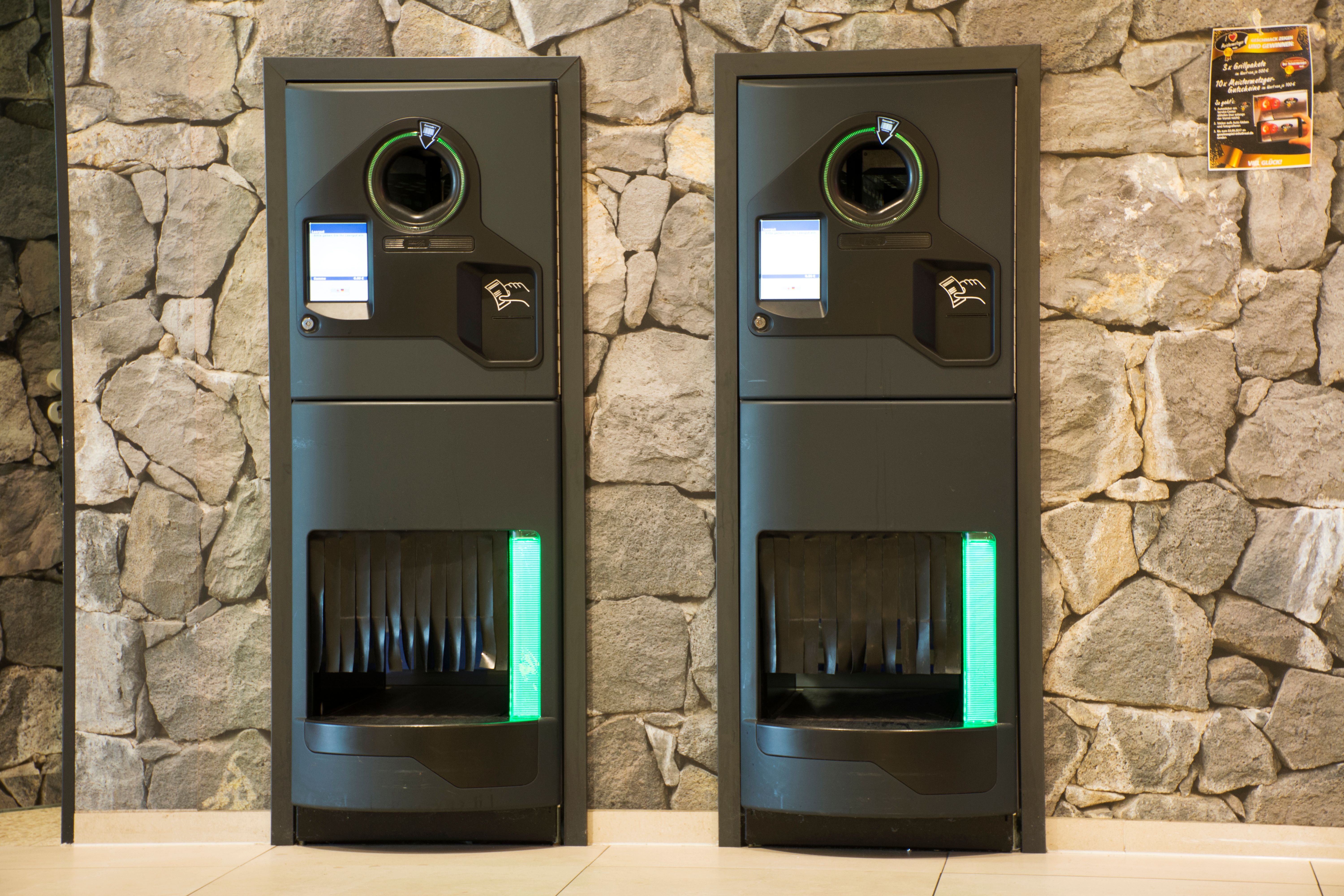
Many regions in Canada are increasingly focused on environmental sustainability. This means you might have to comply with regulations regarding energy-efficient machines or participate in recycling programs. Understanding and adopting green practices can also be a competitive advantage.
Conclusion
Navigating the local regulations for vending machines in Canada can be complex, but it’s an essential step for running a successful business. By understanding licensing, health standards, labeling, and other regulatory requirements, you can ensure compliance and focus on growing your vending machine enterprise.