How Do Vending Machines Work? An In-Depth Look at the Technology


Introduction to Vending Machines
Vending machines have become a ubiquitous part of our daily lives, offering convenience and accessibility at the push of a button. Whether you're craving a snack or a refreshing drink, these machines are always ready to serve. But have you ever wondered how vending machines work behind the scenes? Let's delve into the technology that powers these automated dispensers.
The Inner Workings of Vending Machines
Payment Systems
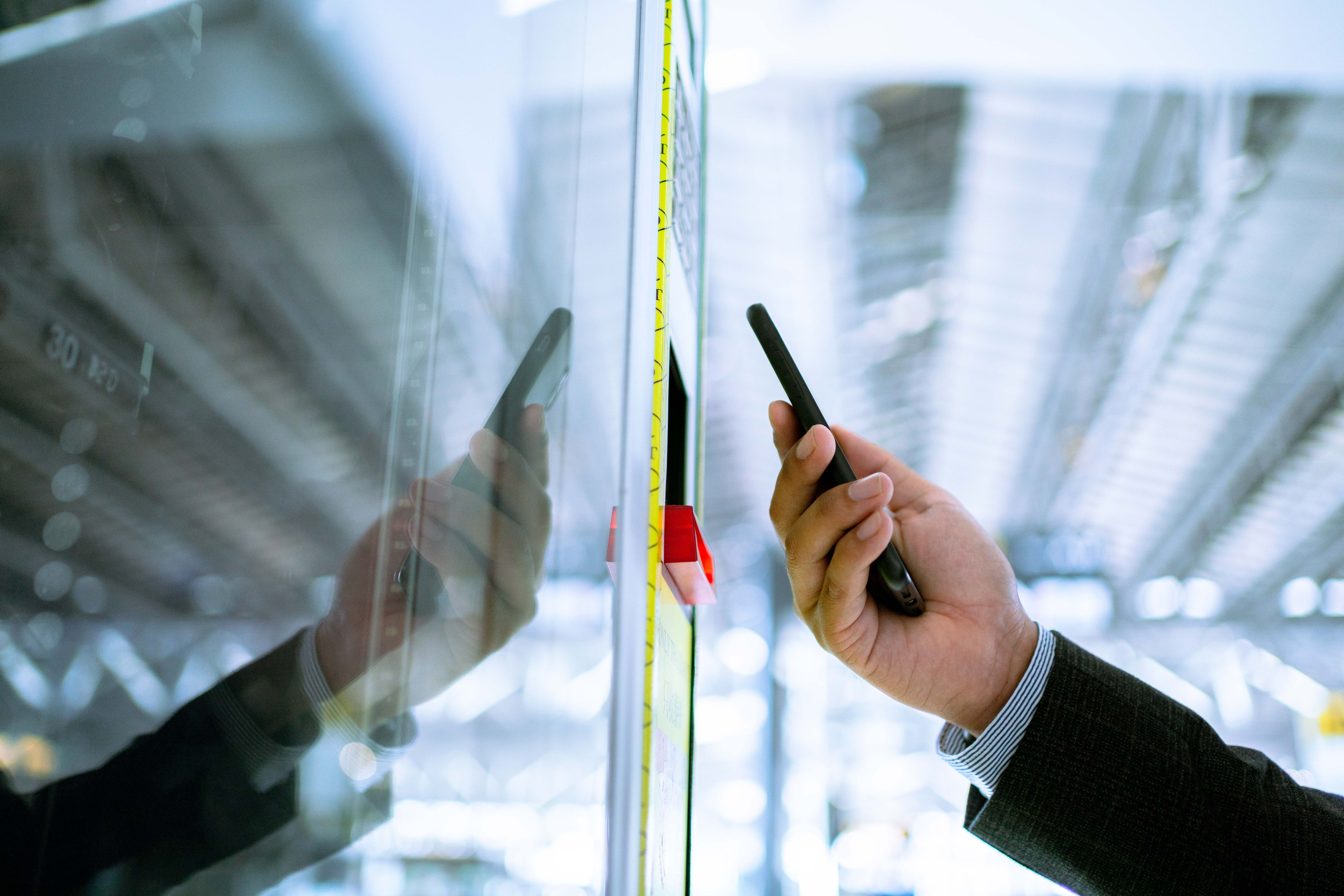
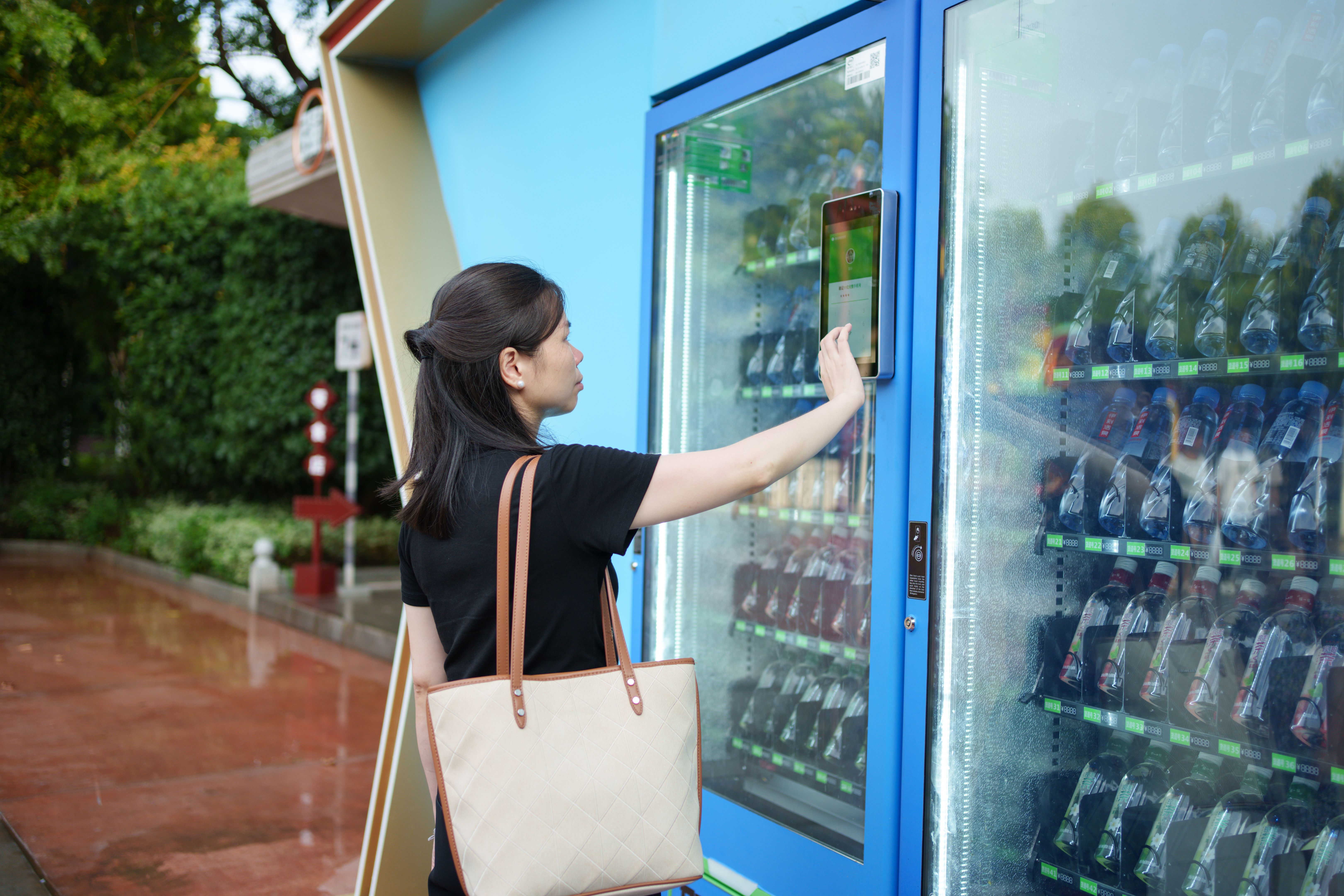
At the core of every vending machine is its payment system. Modern machines are equipped with multiple payment options, including coin slots, bill acceptors, and card readers. These components are connected to a central processing unit (CPU) that verifies the payment and ensures the correct amount has been received. Some advanced machines even accept mobile payments, integrating seamlessly with digital wallets.
Product Dispensing Mechanism
Once a payment is verified, the vending machine's dispensing mechanism is activated. This system typically consists of motorized spirals or conveyor belts that securely hold and release the selected product. Sensors detect whether the item has been successfully dispensed, preventing customers from being charged without receiving their purchase.

The Role of Sensors and Connectivity
Sensors for Efficiency
Sensors play a critical role in the operation of vending machines. These devices monitor various aspects, such as product availability, temperature control, and security. For instance, infrared sensors detect if an item has been dispensed, while temperature sensors ensure that food and beverages are stored at optimal conditions.
Smart Technology and Connectivity
Today's vending machines are not just mechanical devices; they are smart, connected systems. With the integration of IoT (Internet of Things) technology, operators can monitor machine status in real-time. This connectivity allows for remote diagnostics, inventory management, and even predictive maintenance, ensuring machines remain operational and stocked.
Security Features
Security is paramount in vending machine technology. To prevent theft and vandalism, machines are designed with robust materials and locking mechanisms. Additionally, digital security features protect against electronic tampering and fraud, safeguarding both the operator's and the consumer's interests.
Conclusion
Vending machines are marvels of modern engineering, combining mechanical systems, electronic components, and smart technology to deliver products quickly and efficiently. As technology continues to advance, we can expect these machines to become even more sophisticated, offering enhanced convenience and a wider range of products. Next time you use a vending machine, you'll have a deeper appreciation for the innovation that makes it possible.