How Do Vending Machines Work? A Comprehensive Guide to Modern Technology


Introduction to Vending Machines
Vending machines have been a staple of convenience for decades, offering everything from snacks and drinks to electronics and personal care items. But have you ever wondered how these machines actually work? In this guide, we’ll explore the technology behind modern vending machines and how they efficiently deliver products at the touch of a button.
The Mechanics of Vending Machines
At their core, vending machines are mechanical devices designed to dispense products in exchange for money. They typically consist of several key components, including a payment system, product storage, and a dispensing mechanism. Each of these elements plays an essential role in ensuring smooth operation.
Payment Systems
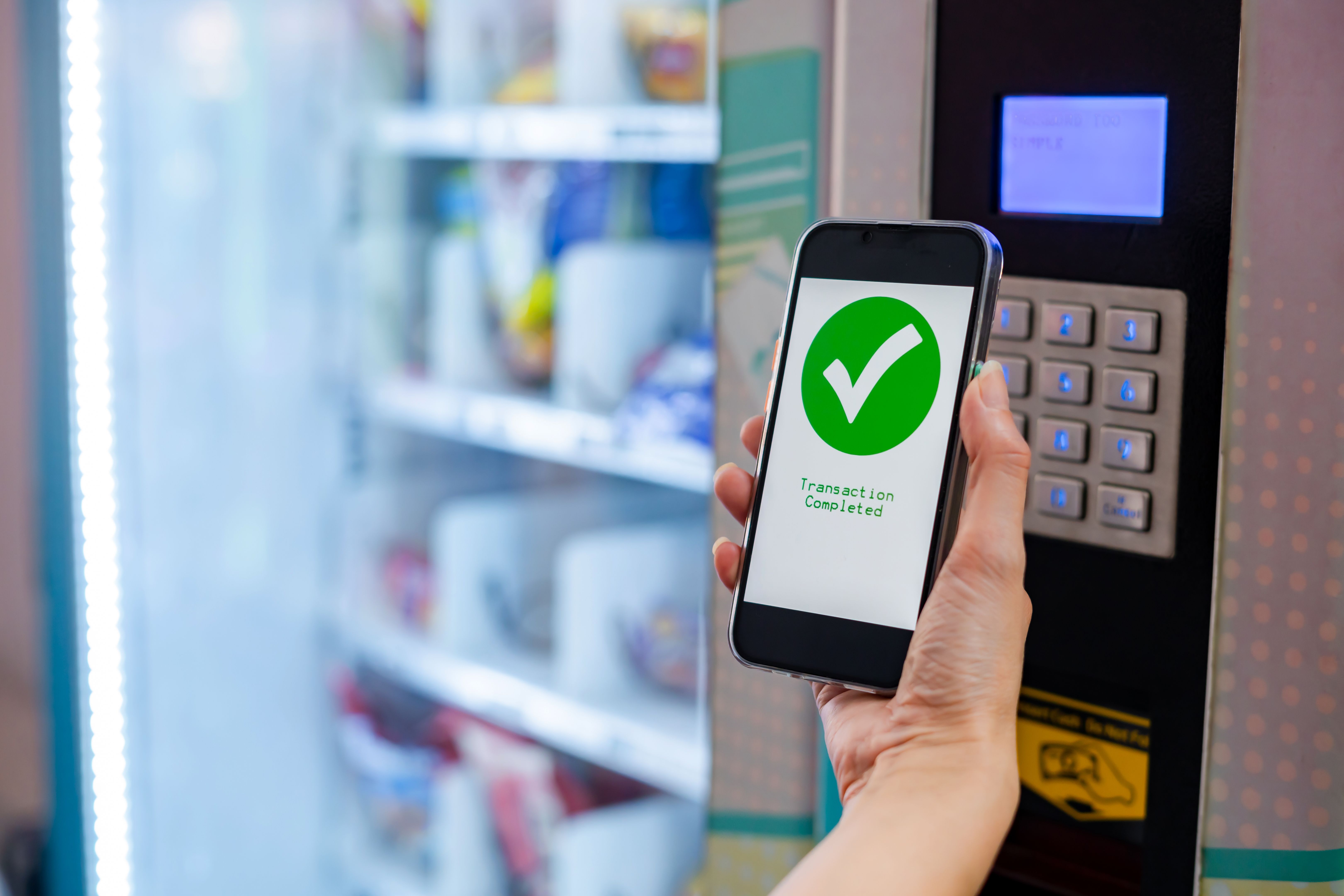
Modern vending machines are equipped with advanced payment systems that accept various forms of payment, such as coins, bills, and even credit or debit cards. Some machines now incorporate mobile payment options through NFC technology, allowing users to simply tap their phones to make a purchase. This flexibility makes vending machines more accessible and user-friendly.

Product Storage and Selection
Inside a vending machine, products are stored in designated slots or shelves. These slots are often equipped with spirals or motors that help move the product forward when selected. Customers can choose their desired product using a keypad or touch screen interface, which communicates the selection to the machine's internal system.
The Dispensing Mechanism
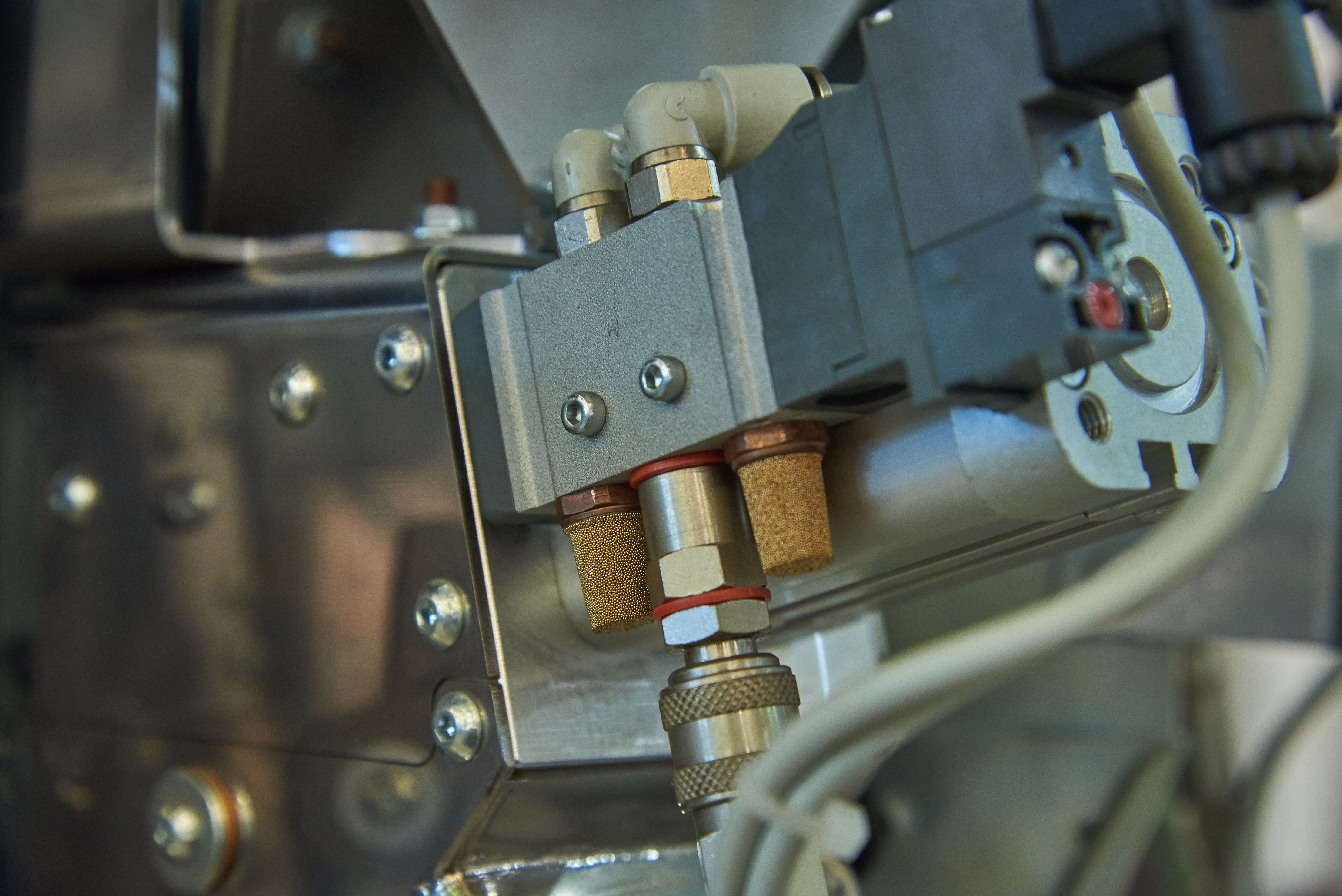
Once a product is selected, the vending machine's dispensing mechanism springs into action. This typically involves a motorized system that rotates the spiral or activates a conveyor belt, pushing the product forward until it falls into the delivery chute. The design ensures that only the chosen item is dispensed, preventing theft or accidental dispensing.
Ensuring Product Freshness
Modern vending machines often include refrigeration or heating elements to maintain the freshness and quality of the products inside. For instance, machines that dispense beverages or perishable items are equipped with cooling systems to keep items at the optimal temperature, ensuring customer satisfaction.
Technology Advancements in Vending Machines
Technological advancements have significantly transformed vending machines, making them more efficient and interactive. Many machines now feature digital displays that provide product information and promotional content. Additionally, some are equipped with sensors and cameras to enhance security and monitor inventory levels.
Remote Monitoring and Management
One of the most significant advancements is the ability for vending machines to be remotely monitored and managed. Operators can track inventory, sales data, and machine performance in real-time through cloud-based systems. This capability allows for timely restocking and maintenance, ensuring machines are always operational.
Conclusion
Vending machines have evolved from simple mechanical devices to complex, tech-driven systems. With advanced payment options, efficient dispensing mechanisms, and remote monitoring capabilities, these machines continue to provide unparalleled convenience. As technology advances, we can expect to see even more innovative features in the world of vending machines.