How Do Vending Machines Work? A Comprehensive Guide for Beginners


Introduction to Vending Machines
Vending machines have become a staple in our everyday lives, providing quick and easy access to a wide array of products. From snacks and beverages to electronics and personal care items, these machines offer convenience at the push of a button. But how do they actually work? In this comprehensive guide, we'll explore the inner workings of vending machines and what makes them tick.
The Basic Components of Vending Machines
At their core, vending machines consist of a few essential components that work together to deliver products efficiently. These include:
- Product Storage and Delivery System: This is where the items are stored, usually on a series of rotating coils or shelves.
- Payment System: This component accepts and processes payments, whether cash, coin, or card.
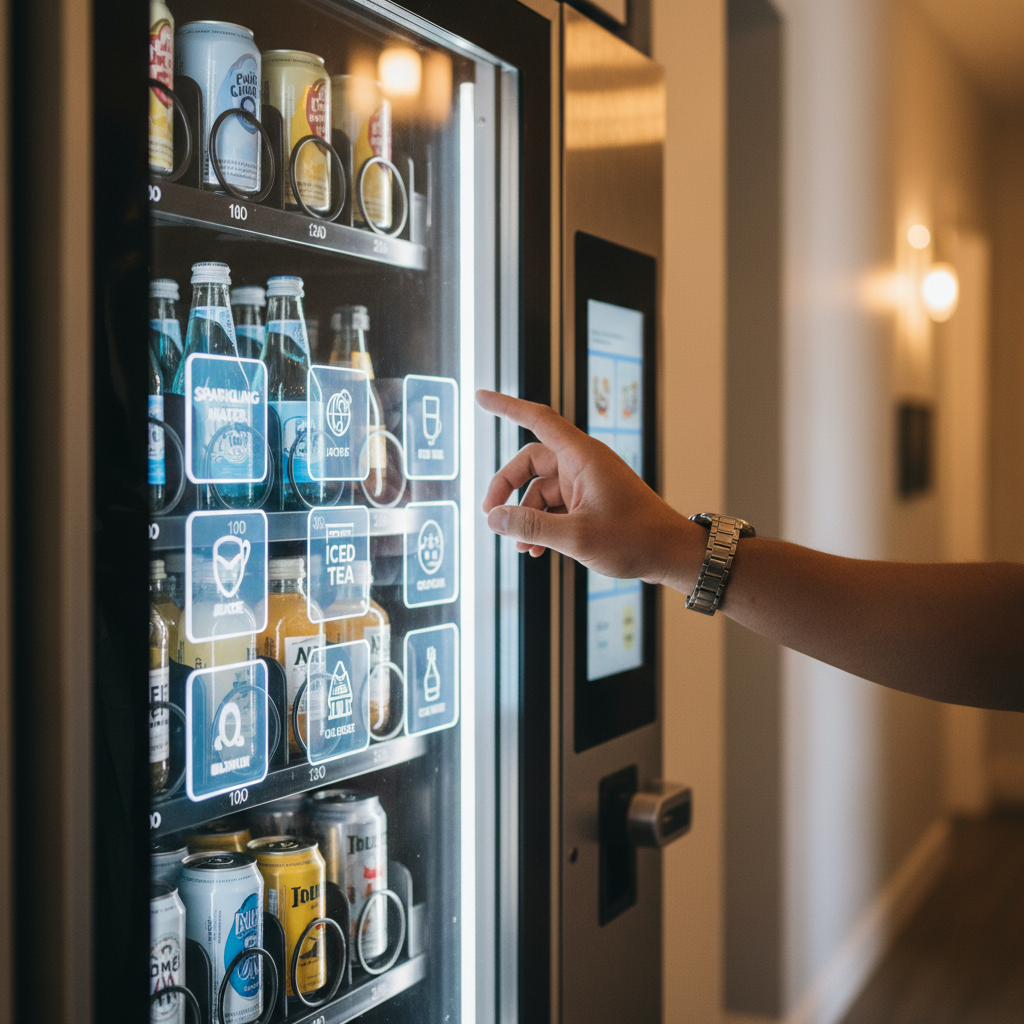
- User Interface: The keypad or touchscreen that allows customers to make selections.
- Control Board: The brain of the machine, responsible for coordinating all operations.
Payment and Selection Process
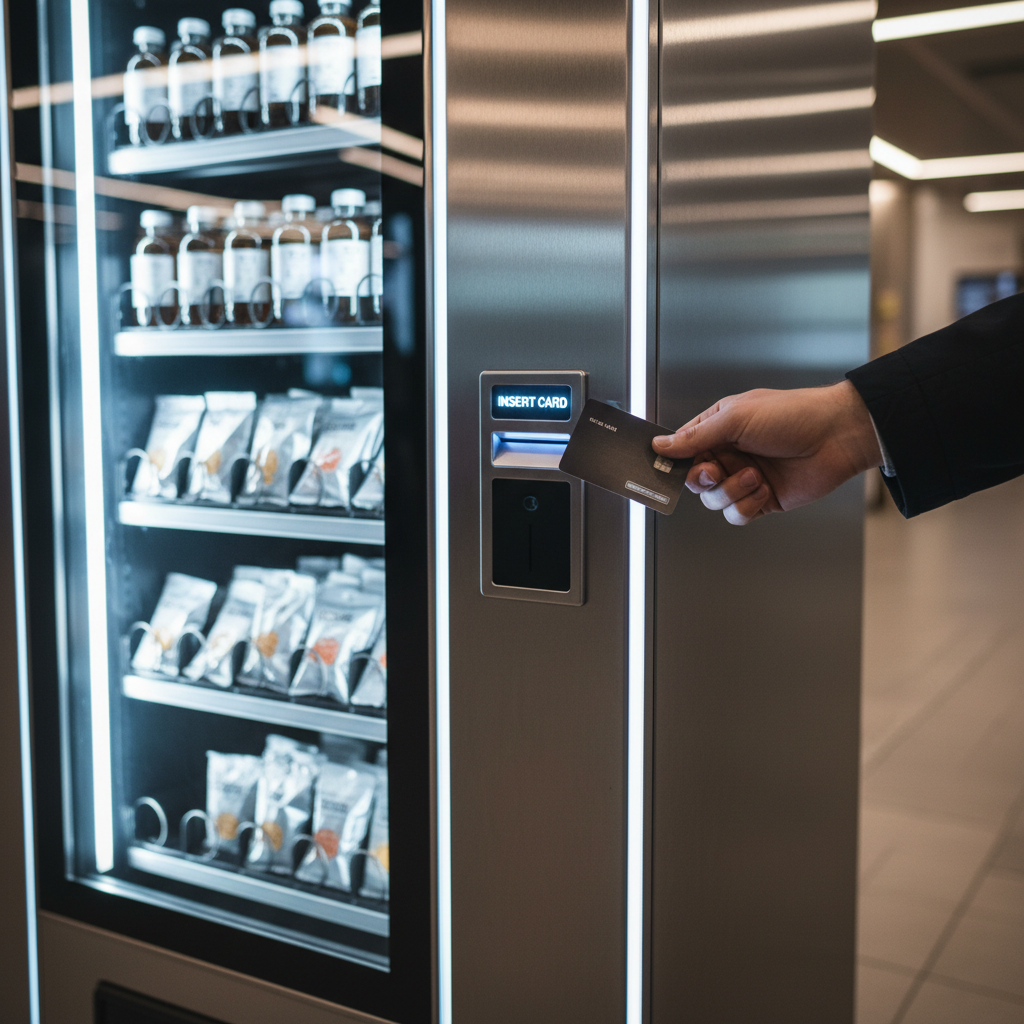
When a customer approaches a vending machine, the first step is to make a payment. Modern machines are equipped with advanced payment systems that accept multiple forms of payment, including cash, credit cards, and mobile payments. Once the payment is verified, the customer can make a selection using the user interface.
The control board processes the input and activates the delivery system to dispense the selected product. This process is typically quick and seamless, thanks to precise engineering and programming.
Product Delivery Mechanism
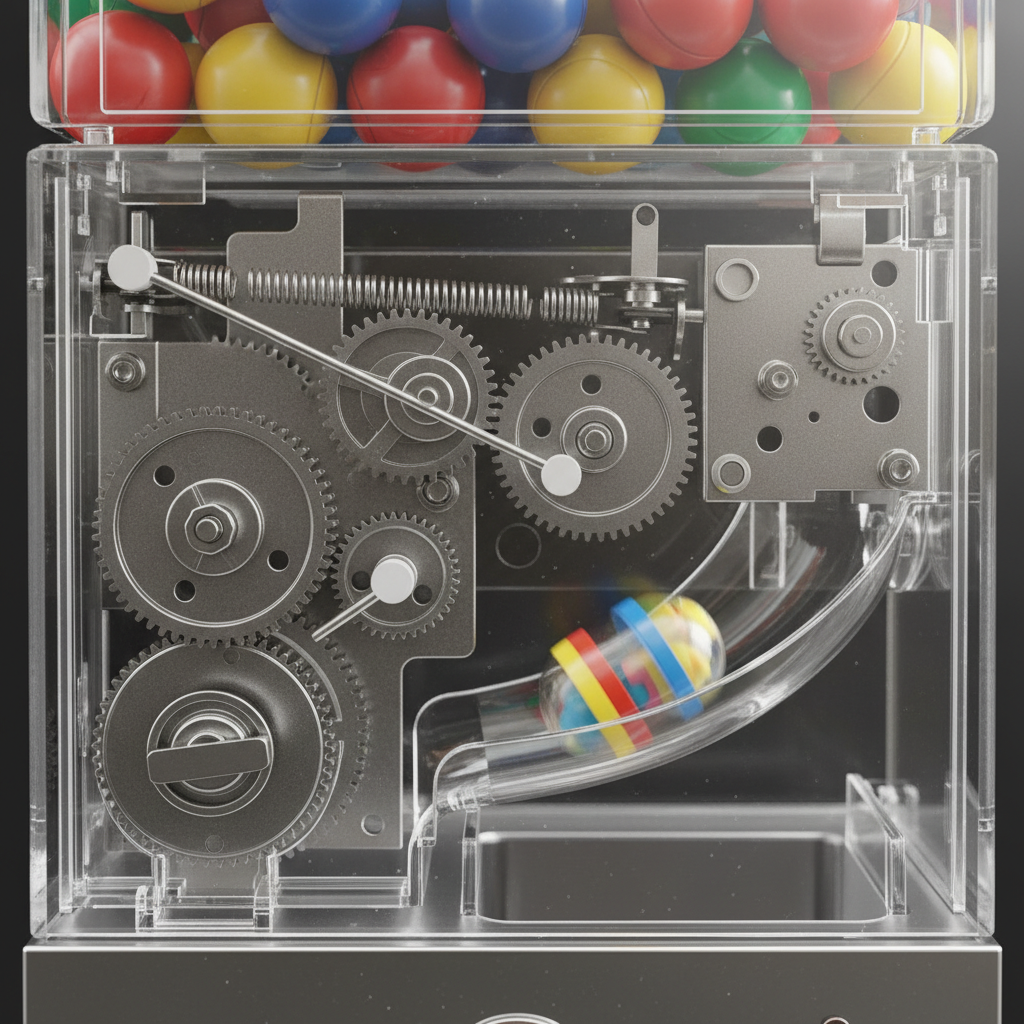
The delivery mechanism is a marvel of engineering, ensuring that the selected product is dispensed accurately. Most machines use a spiral coil system, where the product is pushed forward and drops into the retrieval area when the coil rotates. Some machines, especially those dispensing larger items, use conveyor belts or robotic arms for more precise delivery.
Maintenance and Restocking
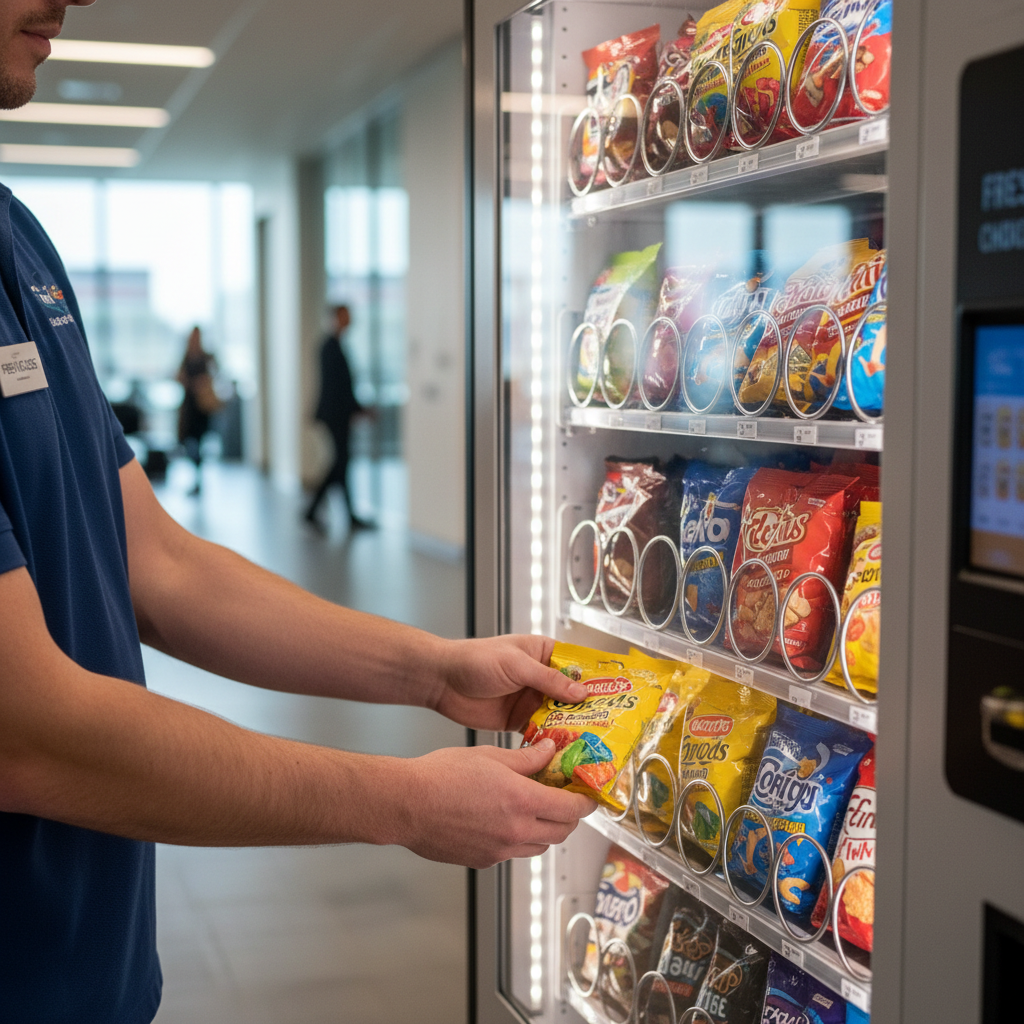
Regular maintenance is crucial for the smooth operation of vending machines. This includes cleaning, restocking products, and ensuring that the payment system is functioning correctly. Many modern vending machines are equipped with sensors and IoT technology that notify operators when supplies are low or if there is a malfunction.
Security Features
Security is a vital aspect of vending machine operation. Machines are designed with sturdy locks and anti-theft features to protect both the cash inside and the products. Some advanced models even have surveillance cameras and alarm systems to deter vandalism and theft.
The Future of Vending Machines
As technology advances, vending machines continue to evolve. Innovations such as smart vending machines, which use AI to personalize product recommendations, and eco-friendly machines that offer sustainable packaging options, are becoming more common. The future promises even more exciting developments in this field.
Conclusion
Understanding how vending machines work provides insight into the complexity and efficiency of these ubiquitous devices. Whether you're a consumer or a potential vending machine operator, knowing the inner workings can enhance your appreciation and usage of these convenient machines.