How Do Vending Machines Work? A Comprehensive Guide for Beginners


Understanding the Basics of Vending Machines
Vending machines are a convenient way to purchase snacks, drinks, and other items without the need for a cashier. These machines are ubiquitous in locations like schools, offices, and public spaces, providing quick access to a variety of products. But how exactly do they work?
The Internal Mechanism
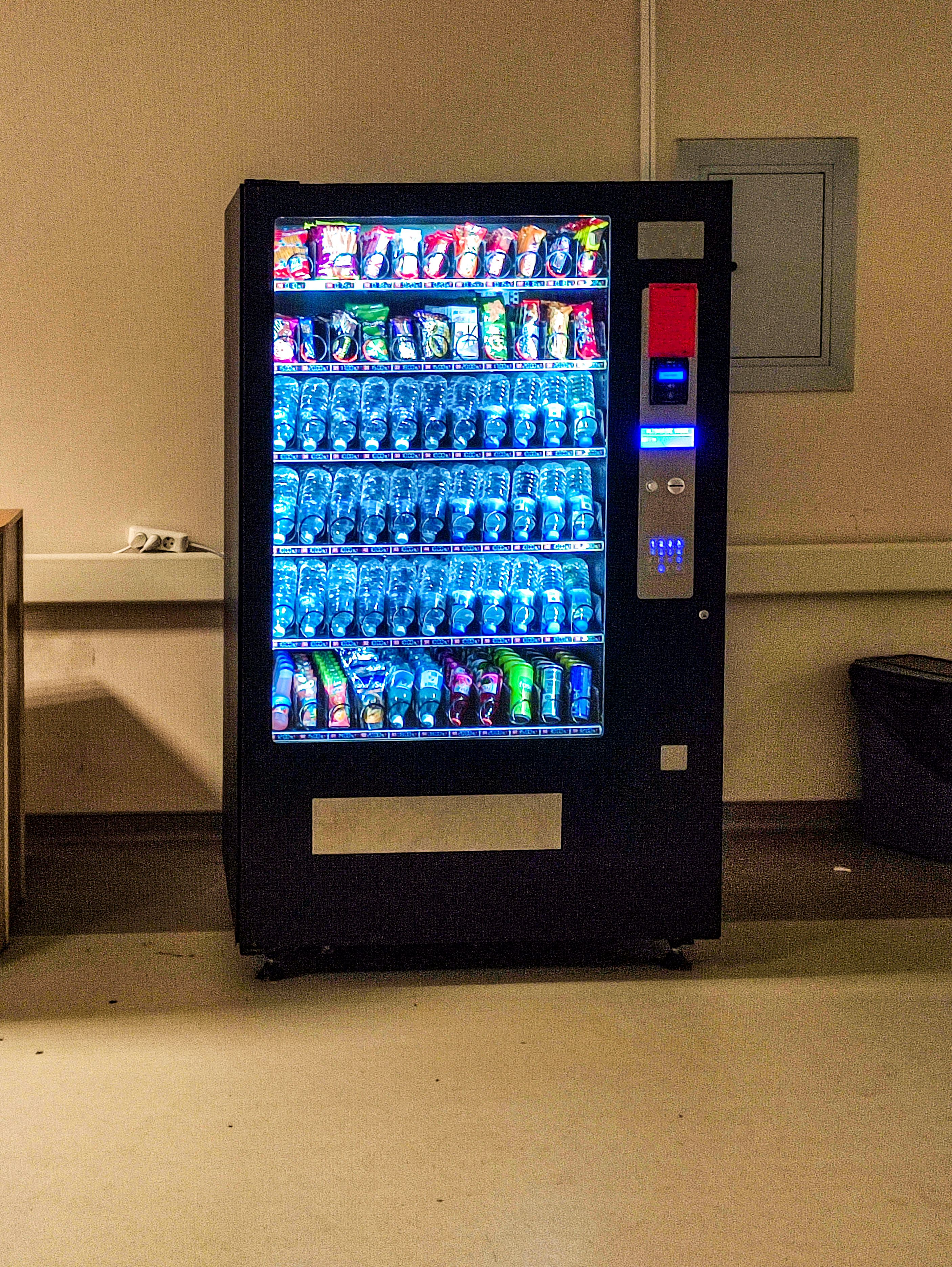
The basic operation of a vending machine starts with inserting money. Most machines accept coins, bills, and even credit cards. Once the payment is processed, the internal mechanism, usually a series of motors and gears, activates to dispense the selected product.
Each item is stored in a designated compartment or coil. When a selection is made, the machine rotates the coil or releases the compartment to allow the item to drop into the retrieval area. This process is meticulously designed to ensure that only one product is released per transaction.
Payment Systems
Modern vending machines use sophisticated payment systems. They are equipped with sensors and software that can detect and validate various forms of payment. These systems are designed to identify the denomination of coins and bills, and can even provide change.
Cashless Transactions
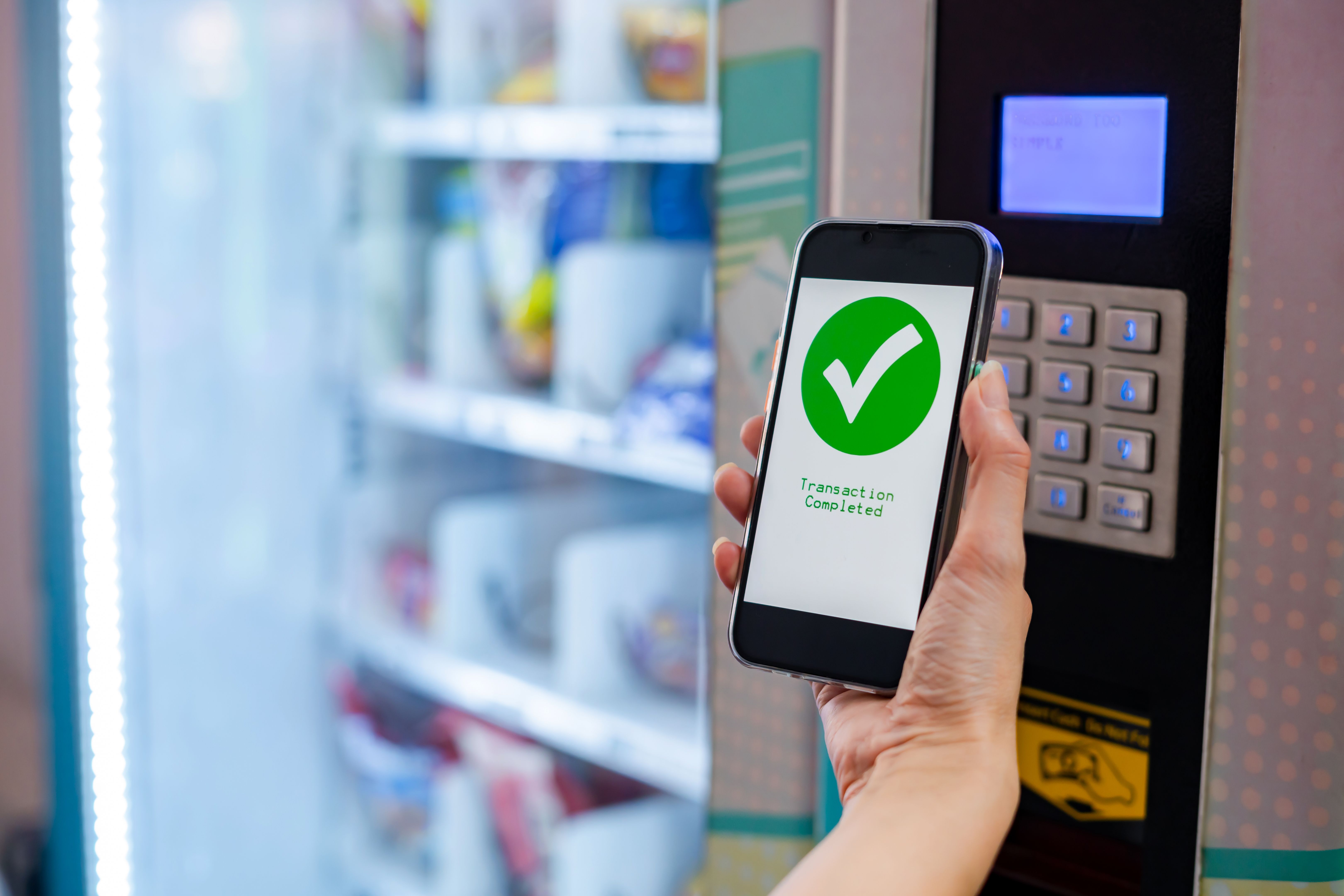
With technological advancements, many vending machines now support cashless transactions. This includes credit and debit card payments, as well as mobile payment options like Apple Pay and Google Wallet. This shift not only enhances convenience but also improves security and reduces the need for cash handling.
Inventory Management
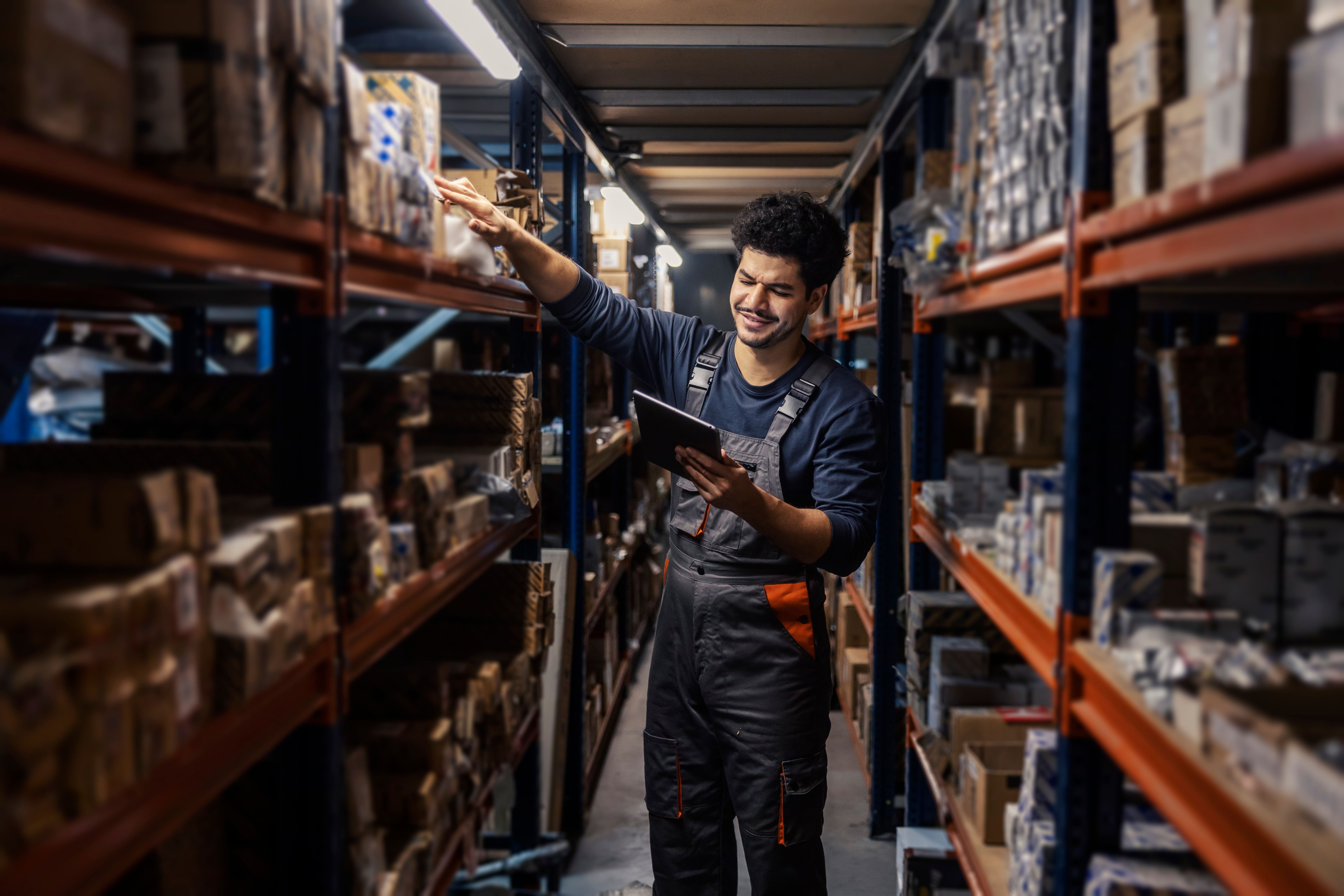
Keeping track of inventory is crucial for vending machine operators. Many machines are equipped with sensors that monitor stock levels. This data is often transmitted to operators in real-time, allowing them to restock machines efficiently and reduce downtime.
Remote Monitoring
Advanced vending machines offer remote monitoring capabilities. Operators can access detailed reports on sales, inventory, and machine performance from anywhere, ensuring optimal operation and timely maintenance.
Maintenance and Troubleshooting
Regular maintenance is vital to the smooth operation of vending machines. This includes cleaning the machines, checking for any mechanical issues, and ensuring the payment systems are functioning correctly. Troubleshooting is often necessary to address issues such as jams or faulty payment processing.
Common Issues
Some common issues include coin and bill jams, out-of-stock products, and display errors. Operators are trained to handle these problems quickly to minimize downtime and ensure customer satisfaction.
Conclusion
Vending machines are a marvel of modern convenience. Understanding how they work can enhance appreciation for these everyday machines. From intricate internal mechanisms to advanced payment systems, vending machines are designed to offer seamless and efficient service to consumers worldwide.