How Do Vending Machines Work? A Comprehensive Guide


Vending machines have become a ubiquitous part of our everyday lives, offering everything from snacks and drinks to electronics and personal care products. But have you ever wondered how these convenient machines actually work? This comprehensive guide will take you through the intricate workings of vending machines, shedding light on their fascinating technology.
Basic Components of a Vending Machine
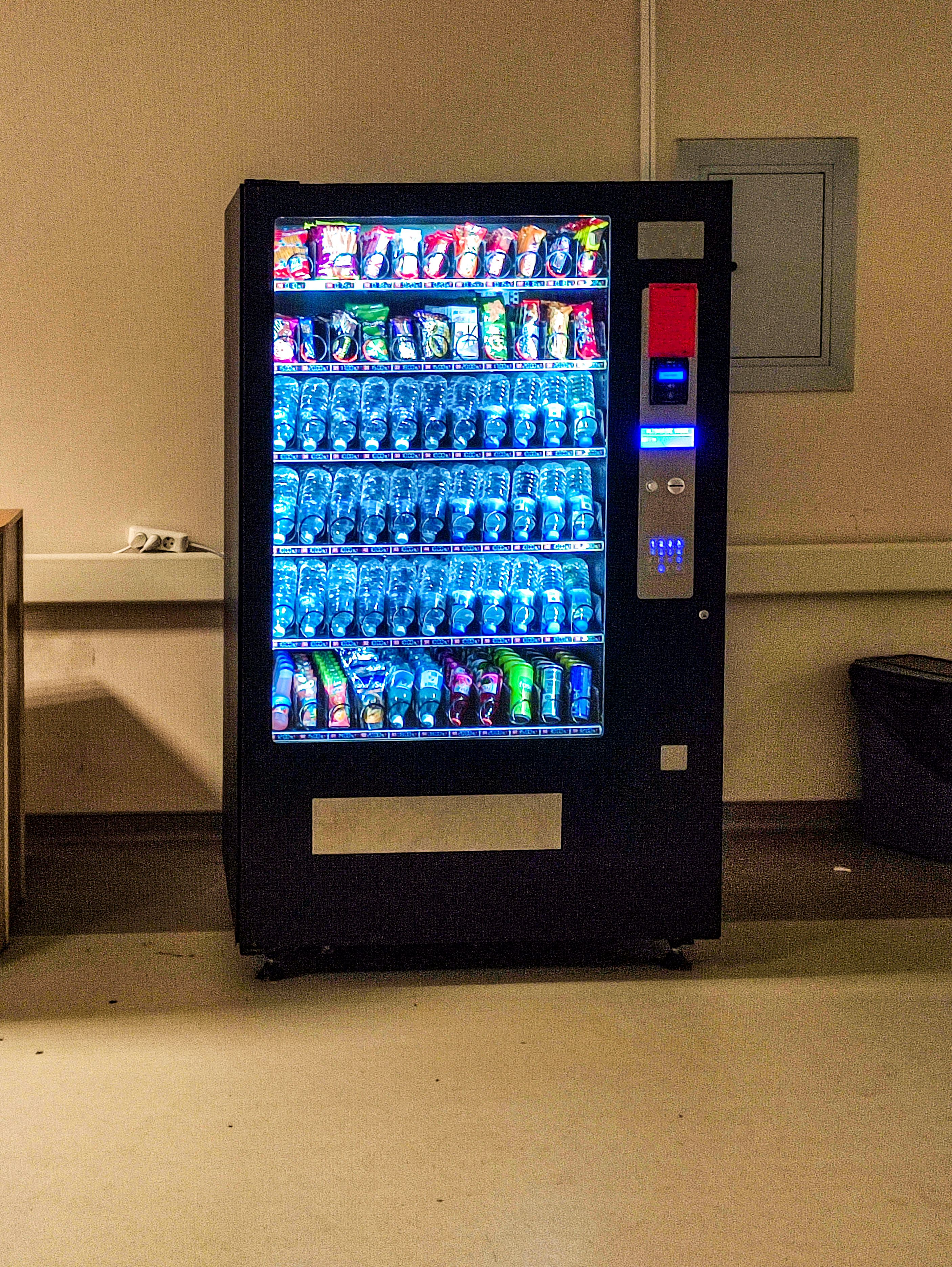
At their core, vending machines consist of several key components that work together to dispense products. The primary components include:
- Control Board: The brain of the machine, responsible for processing transactions and controlling other components.
- Payment System: Accepts coins, bills, or cards, and communicates with the control board to approve transactions.
- Product Dispensing Mechanism: Utilizes motors and gears to release selected items.
- Display and Keypad: Allows users to select products and view pricing information.
How Products Are Dispensed
When a customer selects a product and makes a payment, the vending machine's control board processes the request. It sends a signal to the product dispensing mechanism, which consists of motors and coils or conveyor belts. These components work in harmony to release the selected product into the collection area.

Advanced Dispensing Technologies
Modern vending machines use advanced technologies like robotic arms and elevators to handle delicate items and ensure accurate delivery. These innovations enhance the machine's ability to offer a broader range of products, including fragile items like electronics or glass bottles.
The Role of Sensors
Sensors play a crucial role in ensuring that vending machines operate smoothly. They detect whether a product has been successfully dispensed and can even confirm if a payment has been made. This minimizes errors and enhances the customer experience, reducing the likelihood of failed transactions.

Types of Sensors
The most common types of sensors used in vending machines include optical sensors, which detect the presence of an item, and weight sensors, which confirm that the correct product has been dispensed. These sensors provide valuable feedback to the control board, ensuring seamless operation.
Maintenance and Troubleshooting
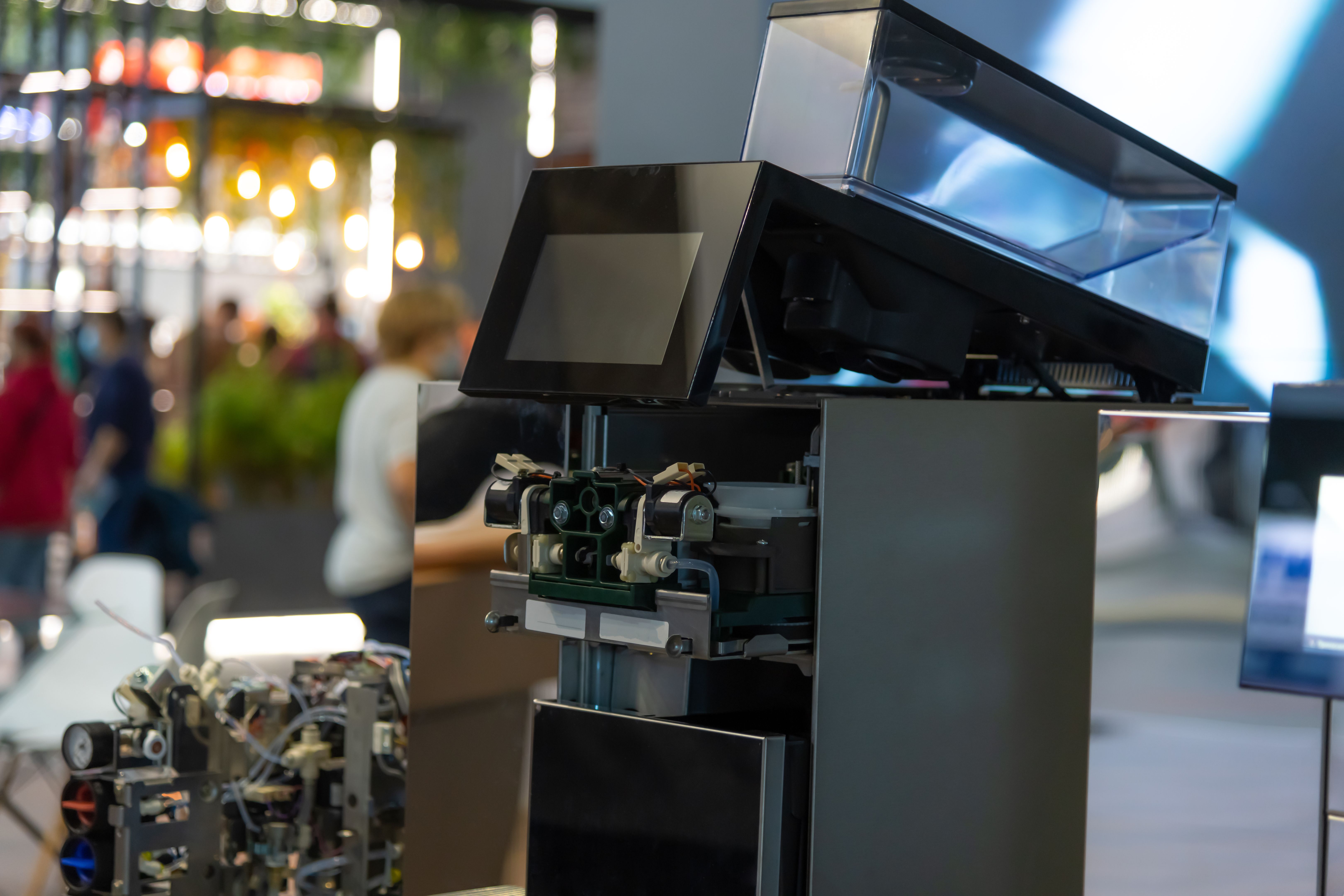
Regular maintenance is essential for keeping vending machines in optimal condition. This includes refilling products, collecting cash, and addressing mechanical issues. Technicians often use diagnostic tools to troubleshoot problems and ensure the machine is functioning correctly.
Common Issues and Solutions
Some common issues include jammed products, payment errors, and display malfunctions. These can often be resolved by resetting the machine or performing routine maintenance, such as clearing jams and cleaning sensors.
Understanding how vending machines work not only satisfies curiosity but also highlights the technological marvels behind these everyday conveniences. From simple snack dispensers to high-tech automated kiosks, vending machines continue to evolve, offering greater convenience and efficiency.